Plenty of dealership websites work fine at fifty vehicles and fall apart at five hundred. Scaling is not about adding pages — it is about the decisions you make early so that growth in inventory, traffic, and locations does not force a rebuild. Here is how to build a used car dealership website that can scale.
Start with the right foundation
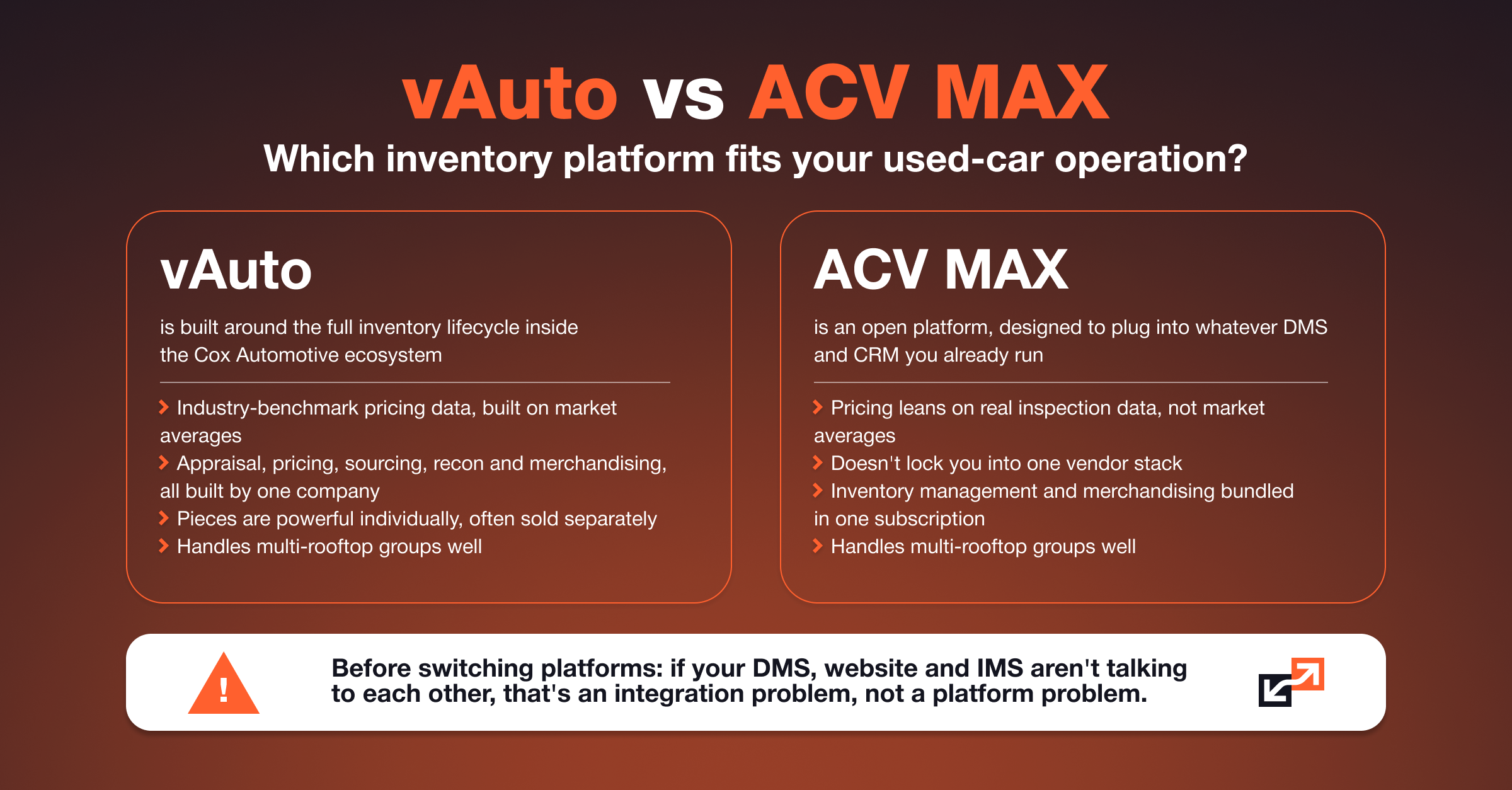
Scalability begins with the platform. A site stitched together from mismatched plugins hits a ceiling quickly. Before anything else, get the foundation right by choosing the best website platform for your used car dealership — one that can grow with you rather than against you.
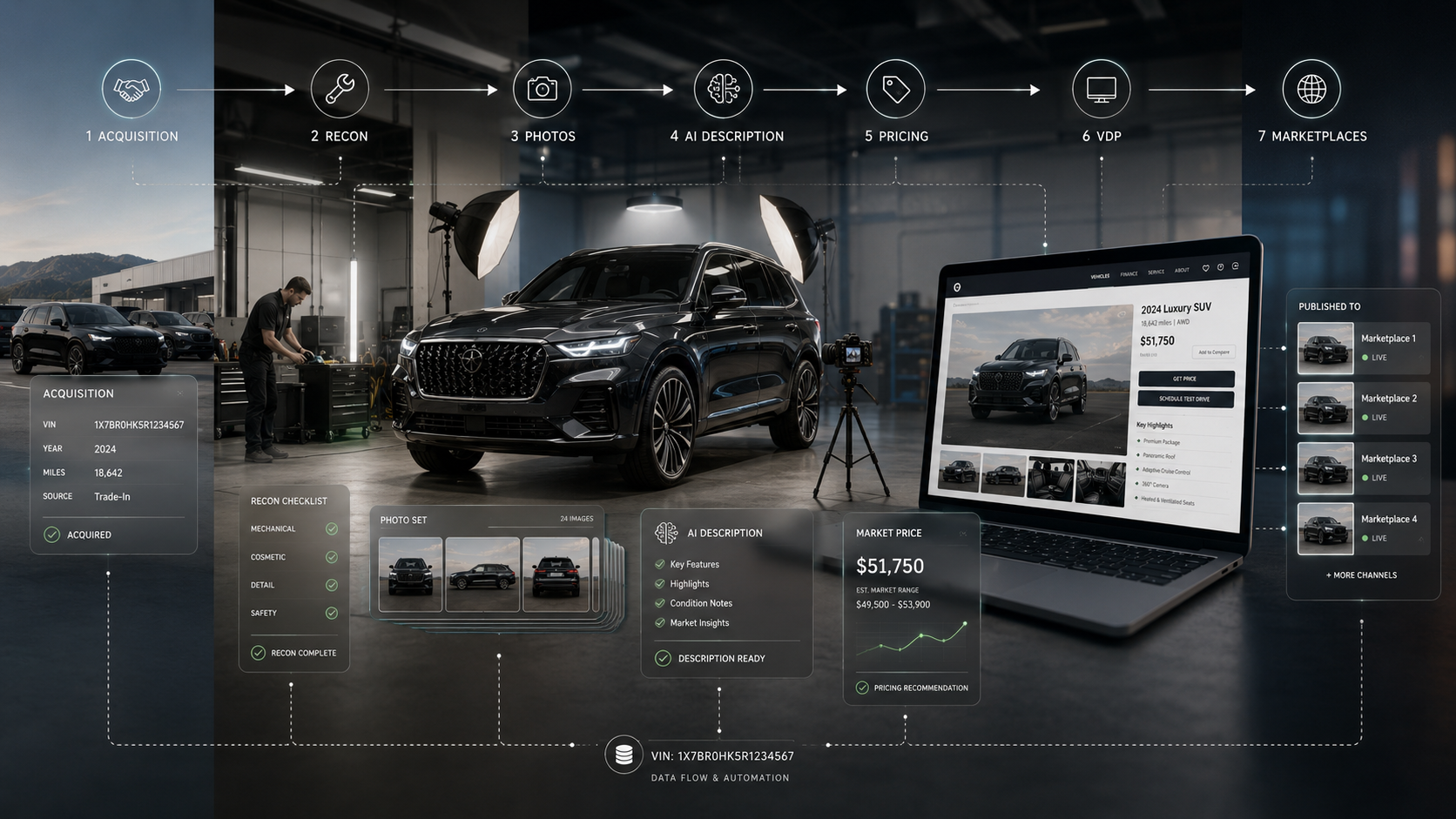
Make inventory automatic from day one
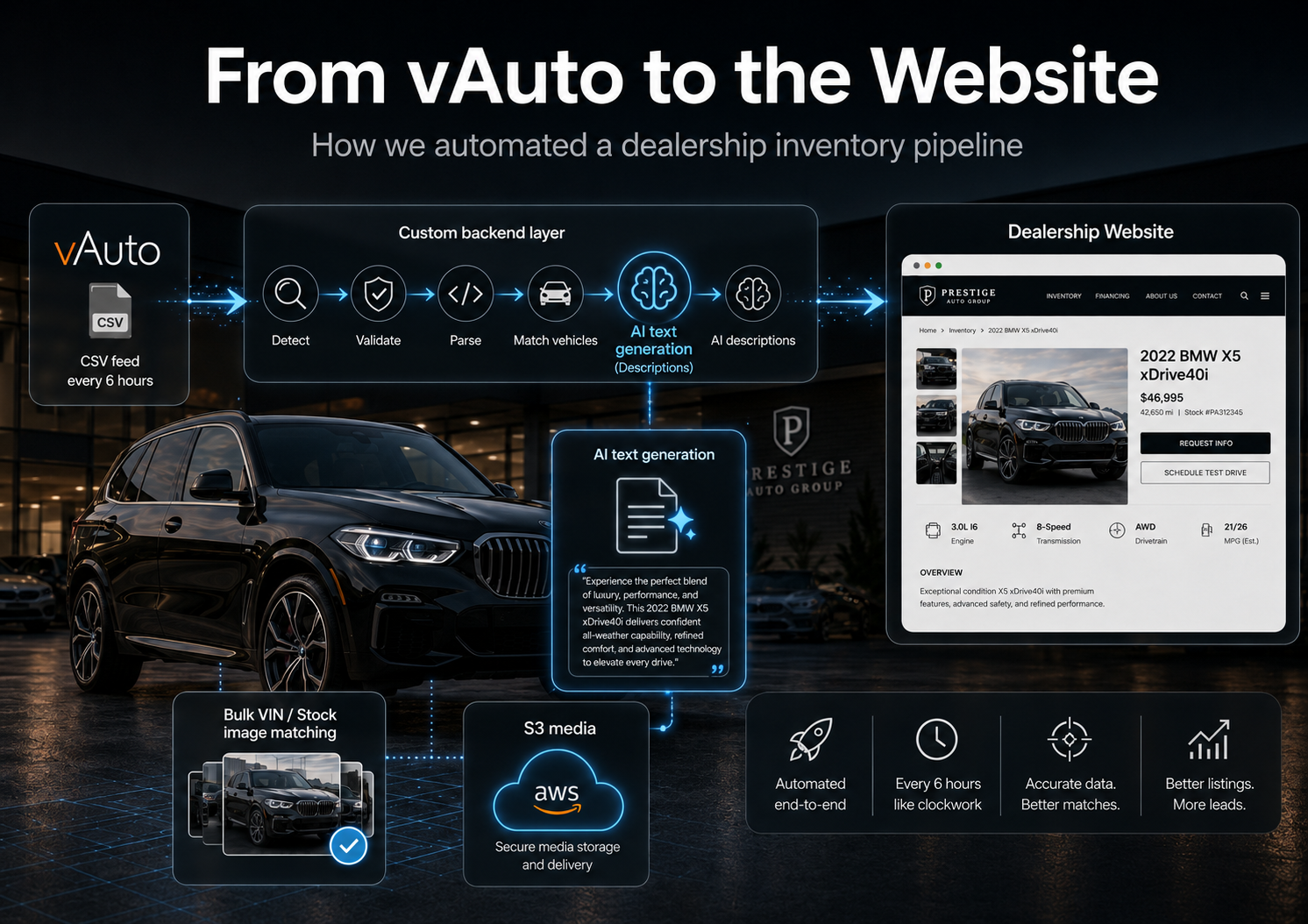
The single biggest scaling bottleneck is inventory. If vehicles are added by hand, every new car is more work and more risk of error. An automated feed keeps listings accurate no matter how large the lot gets. If you are still weighing it, the trade-offs are laid out in manual vehicle uploads vs an automated inventory feed.
- Automatic feed processing instead of CSV uploads
- Updates multiple times per day
- Duplicate prevention across sources
- Automatic sold-status synchronization
Keep vehicle detail pages fast
As inventory grows, performance is where scaling shows. Vehicle detail pages (VDPs) must stay fast even with many photos and high traffic. Fast, SEO-ready VDPs with clean URLs and structured data are what let a large catalog keep ranking and converting.
Build lead infrastructure that won't bottleneck
More inventory means more leads, and a form that simply emails an inbox does not scale. Plan from the start for how leads should flow into your CRM or DMS, with source tracking and routing so the right salesperson or location gets each lead.
Design for multiple locations
Even if you run one rooftop today, structure inventory, leads, and content so a second location is a configuration change, not a new project. Multi-location support added later is far more expensive than multi-location support designed in early.
Phase the build
You do not need everything on launch day. Deliver in phases: a solid foundation and automated inventory first, then richer lead routing, then advanced automation. This lets the dealership see value early while the system grows toward its full shape.
Planning for growth? Let's discuss what a scalable build looks like for your dealership.